I first read about Narvik as a teenager, fascinated with Second World War history. Narvik is a historic significant place, a long way from the areas we usual think of when it comes to war history. More recently, a movie was made about Navrik telling the story of the war. It made me want to visit the town by crossing the viaduct at the centre of the movie. Unfortunately the train wasn’t running as I mentioned in the previous blog post.
The driver dropped us off at Narvik station, just a short walk from our hotel before racing off for his dinner break ahead of his return journey. We met a French woman with her backpack who was heading to Kiruna. We gave her some reassurance about the driver and talked up the hill to our hotel on the main street.
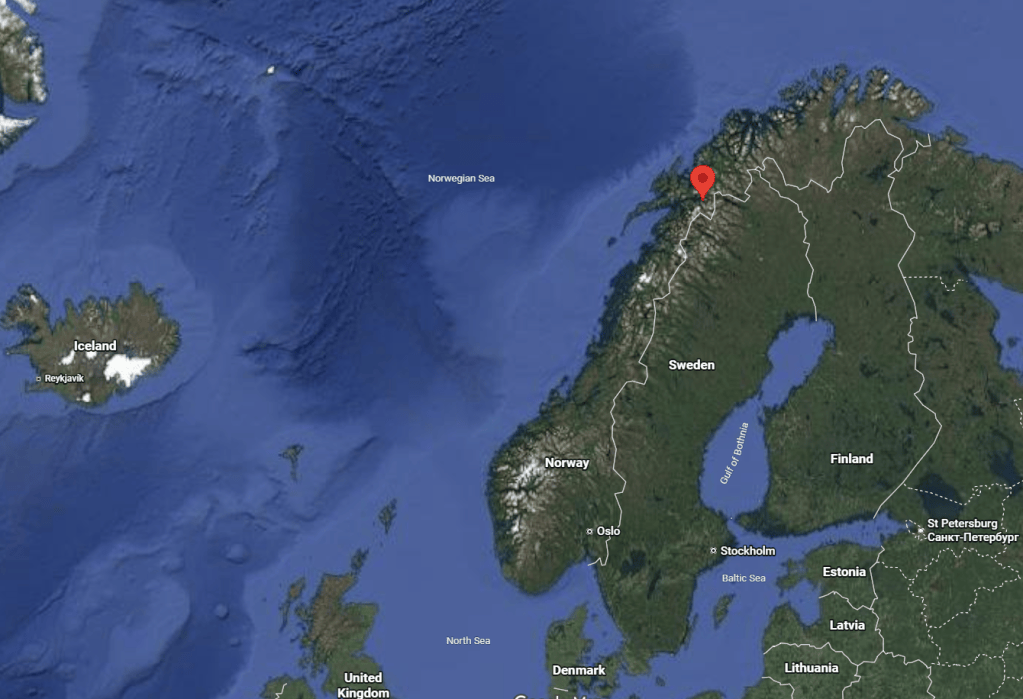
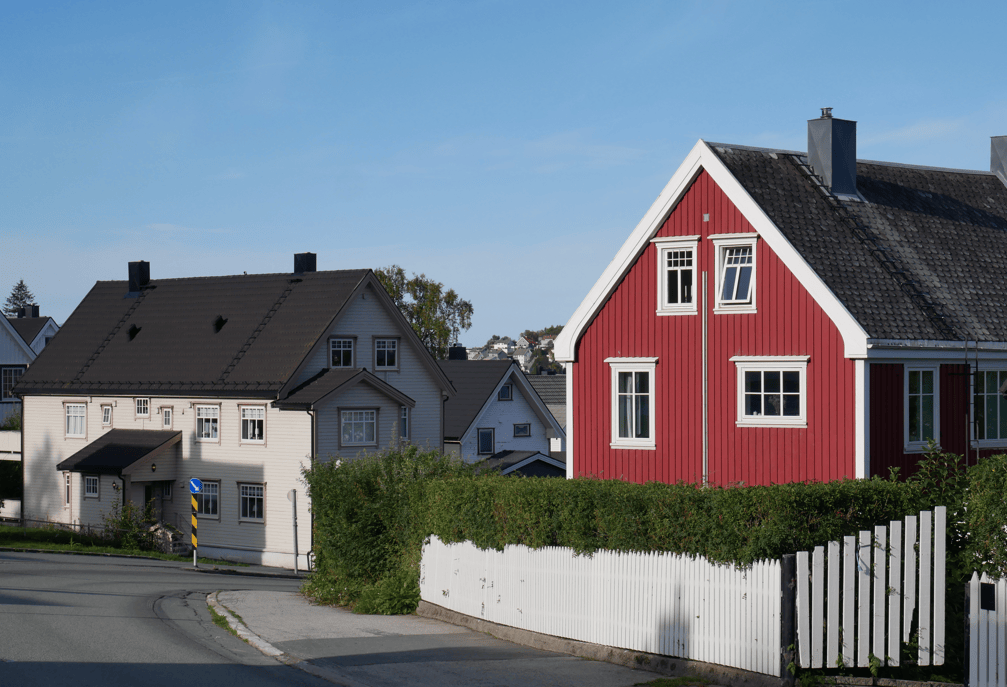
Narvik has a charming aesthetic, the beautiful wooden houses and buildings. It is a smaller town with a population of around 14,000 people, mostly working in the port and supporting businesses. It sits with mountains behind and a fjord to the west. There are several museums and a points of interests, that tell the story of the town.
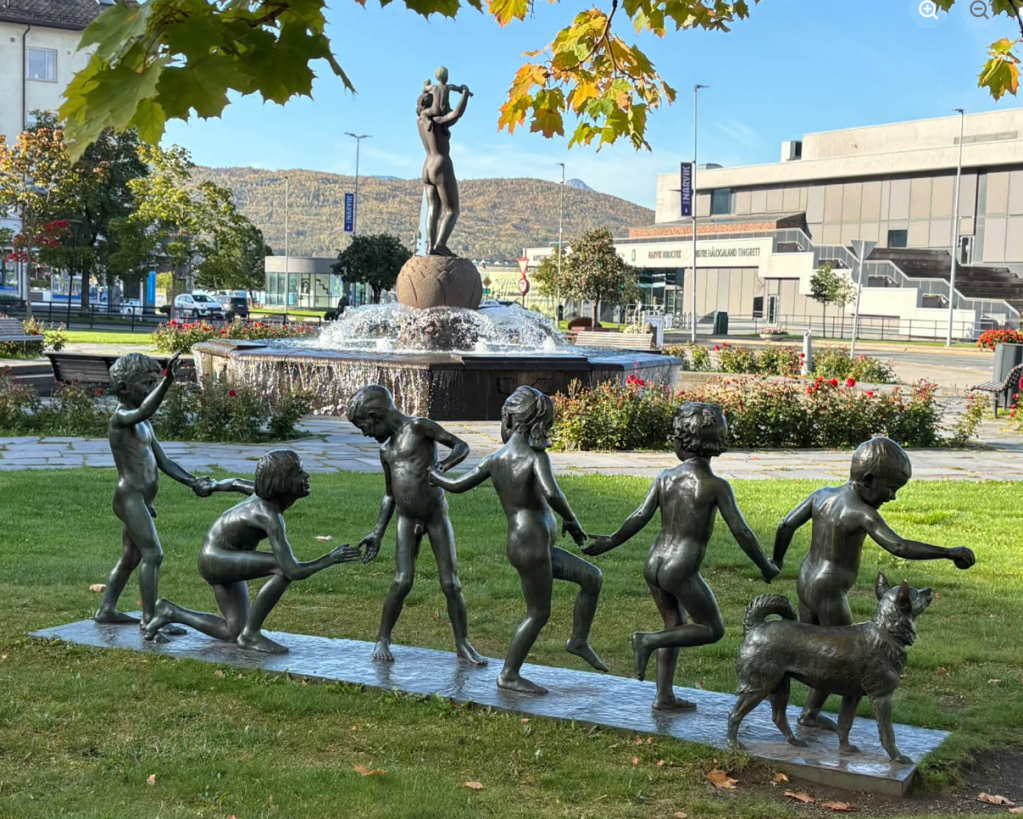
Narvik is the end of the line for iron ore trains. The town’s port has been the shipping point since the 1880’s and you can sense the history. Ten to Twelve trains a day arrive here from Kiruna, each carrying 6,800-8,600 tonnes of ore.
Fishing is a Norwegian tradition that extends back to pre-Viking times (Viking’s lived here) and so there was only one thing to do when it came to breakfast. In Narvik we ate like Vikings (modern ones with a comfortable hotel). It was much nicer than you might think, but definitely no kissing my wife later as she isn’t a fan!

Narvik suffered terribly in the Second World War. While the government was neutral, the people were not. Often split loyalties with 40% of the young men in Narvik being German. The town was occupied by Germany as they wanted to control the iron ore needed to build tanks and ships. The small Norwegian army was no match and rather than fight, it retreated into the mountains. These were hardy men, hunters and fisherman.
British Royal Navy Destroyers arrived at night attacking the German fleet in the fjords. Sinking some and damaging most the remaining ships. Reinforcements came and more attacks by ship and Royal Navy aircraft continued. The British believed the town had been evacuated and shelled Narvik, killing many locals. A tragic event that is remembered with several monuments.
British, French and Polish soldiers arrived, and a land battle began. The Norwegians with this support gave Hitler his first defeat of the war. Celebrations were short lived, with Norway giving in to the Nazi’s just 8 weeks later. 8,500 people had died for nothing.
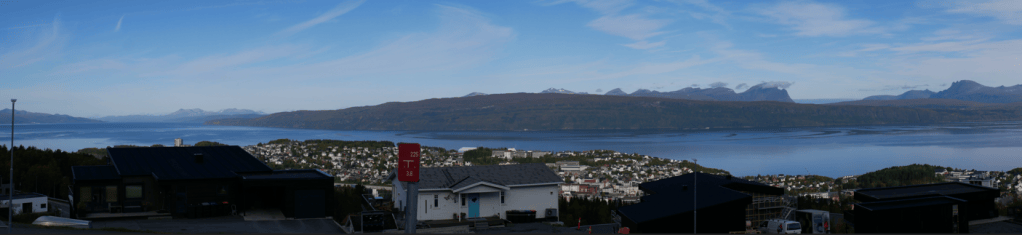
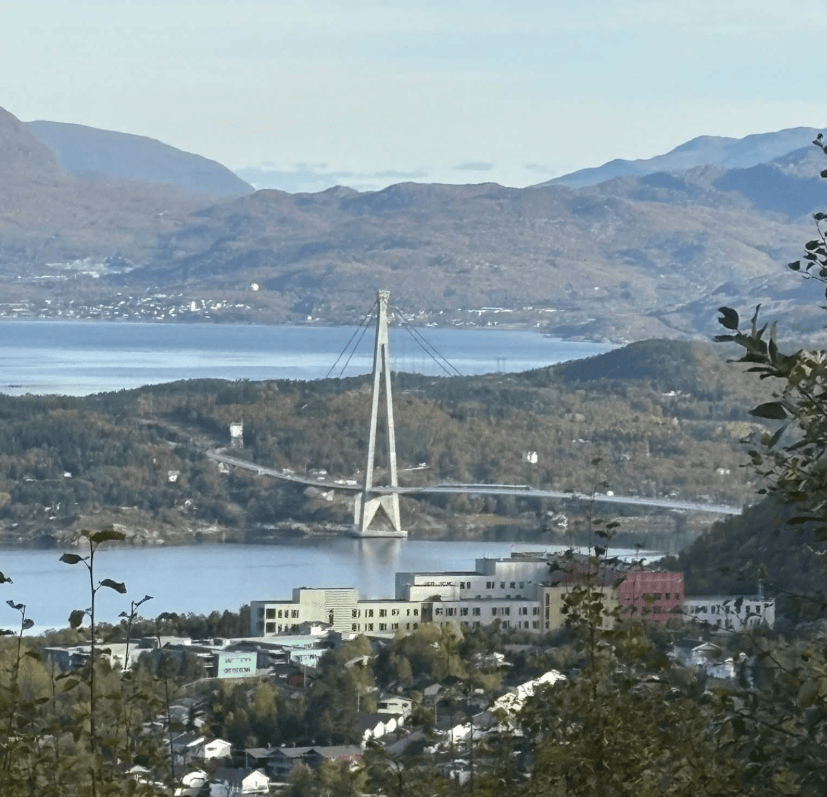
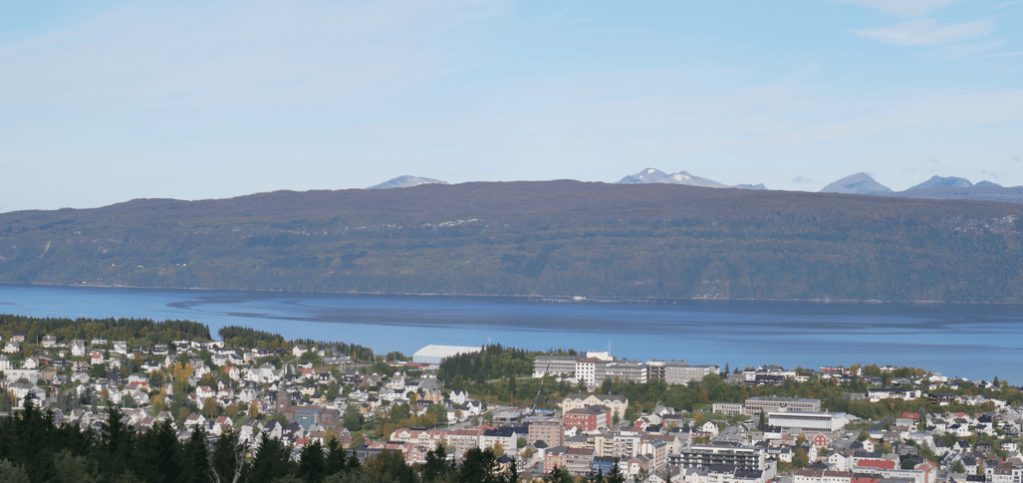
Narvik is still a port city, with iron ore trains arriving like clockwork, but it is also a changing town with a ski field being expanded and cruise ships visiting more frequently. We walked up the hill to the skifield carpark and were treated to spectacular views.
We finished our day at the Narvik museum learning about the terrible events here in the second world war. You leave feeling a sense of sadness for what happened and understanding of the dilemma faced by Norwegians, and hope that good people will do the right thing. The last display asks you when is war the right thing to do. A question we should think deeply about before participating.
Navrik is everything I thought it would be. Small and remote with spectacular scenery. It is worth travelling here just for the history lesson. If we don’t learn the lessons of the past then we will repeat them.


Leave a Reply