I have always been curious about Kiruna, a town in Swedish Lapland, north of the Arctic Circle. It is the home of the worlds largest iron ore mines and gateway to the spectacular natural environment including Abisko National Park. It was the starting point for the next part of our journey.
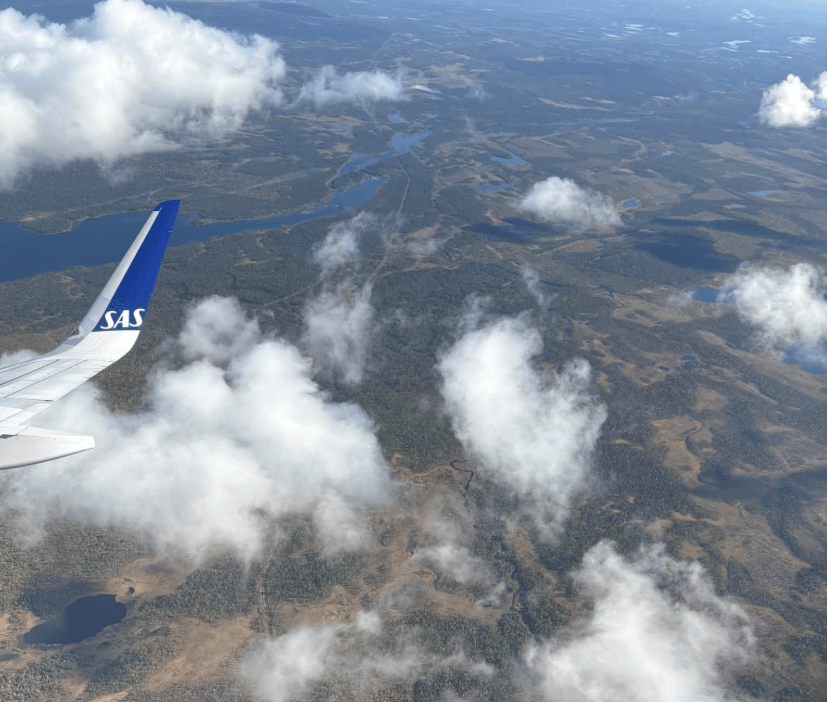
The flight from Stockholm to Kiruna, flew over endless lakes on forest. Autumn colours as far as we could see with infrequent signs of people. It is vast and flat, with mountains in the far distance. Kiruna is approximately 1,500 north of Stockholm (1.5 hours flight or 18 hours by train).
Landing made us feel like we were truly remote, the airfield was basic. An A400 military transport aircraft being the only other visitor. There are only 2-3 flights a day here and most passengers are here to work in construction or the mine at this time of year. We caught the airport bus to our hotel and dropped our bags before exploring the new part of Kiruna.
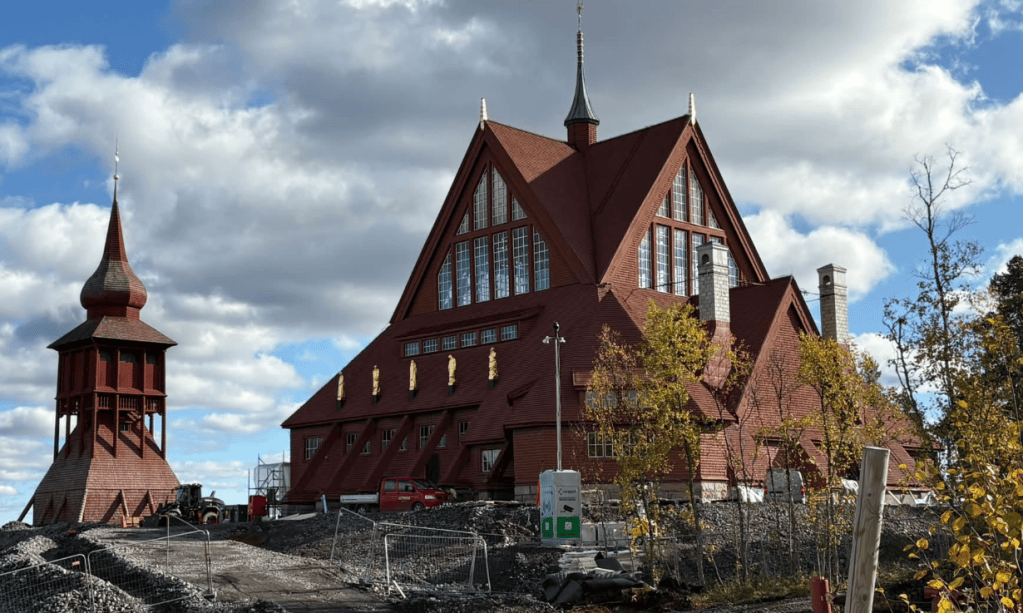
Kiruna is a fascinating place. It is a town built on top of (literarily) the world’s largest underground iron ore mine. The town began subsiding and is being rebuilt approximately 5km from the original site. It is a work in progress, with a lot of construction, new facilities including schools, hotels and accommodation. The most famous building is the Kiruna Church, which was moved. This building weighs over 650 tonnes and the effort to move it was incredible.
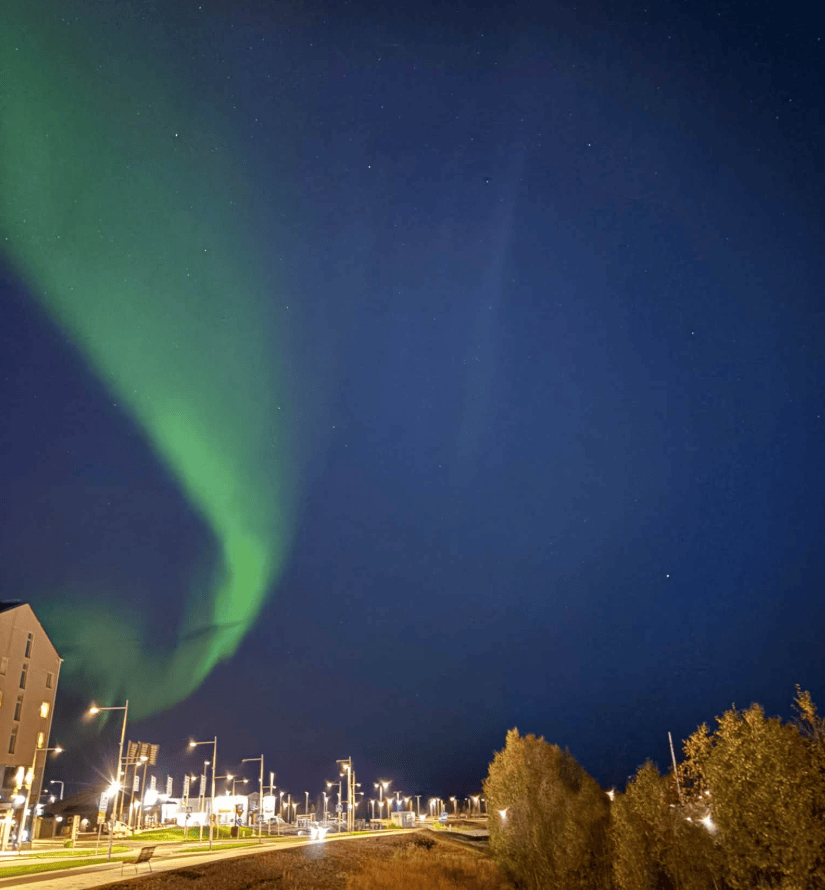
Kiruna is located approximately 200km north of the Arctic Circle, at the lower edge of the aurora zone. The season starts in early September, so being treated to a spectacular display at around 10:30pm was special. The chances of seeing the sky dancing at this time of year is still low, you need the perfect combination of clear skies and solar activity. There are several Mobile Apps that give alerts when aurora activity and provide forecasts to help you know when to look.
Kiruna (the new part) is very modern, with a good hotel and a small mall with an outdoors store, clothing, book shop, tourist shops and a cafe. There is also a supermarket a short walk from the centre of town. There is a lot of construction with new apartment buildings and other housing under construction. The train station is 5-6km away from the new town centre, accessible by the local bus or taxi service. Book in advance because this is a small town and you may need to wait for a while.
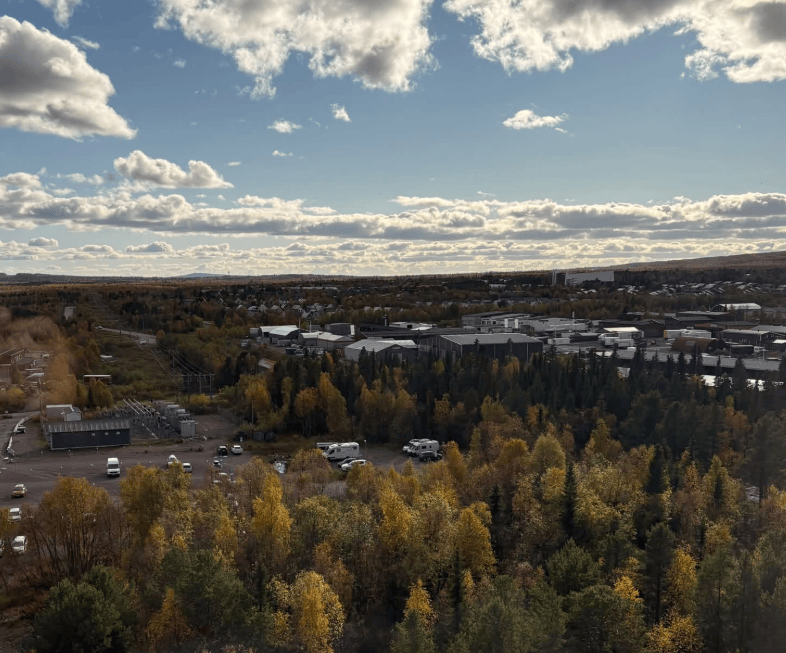
If you are planning a trip to Kiruna, then it is important to consider the seasons. September was mild with temperatures between 8 to 14 degrees C. In Winter the days are short and the temperatures well below zero. It is a harsh environment and you must be prepared.
If I was to visit Kiruna again, having a rental car would be worthwhile. The distances are vast and many of the activities and areas of interest are some distance from the town itself. The roads are good, but they are populated with modified older model Volvo’s including one that billowed smoke from a chimney pultruding from its bonnet. That’s an entirely different kind of car culture!
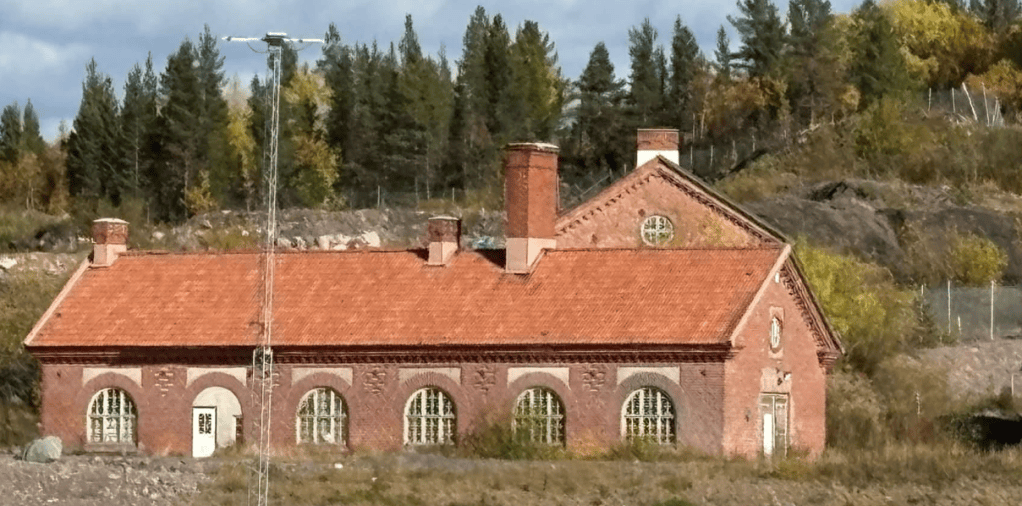
The following day, we explored the town some more and walked along one of the new cycle and walk paths. We visited the library, looked at some of the construction sites and then made our way by taxi to the Kiruna train station, for the next part of our journey.
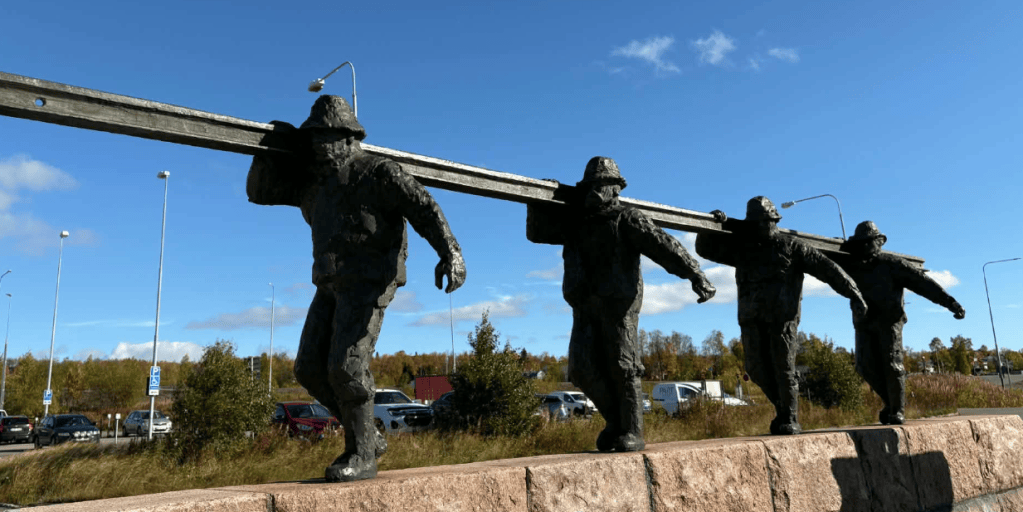
The giant iron ore trains leave here 10 times a day. They are about 1km long and carry many thousands of tonnes of ore through to Narvik, our next destination.


Leave a comment